
To refill or not to refill, this is a question we’ll answer. If you are looking for sustainable solutions for your drywipe markers, then we have some good news for you. Not only are all Show-me Drywipe Markers refillable, but you may also already have the ink available! And if you don’t, it’s easy to come by and simple to use.
For many years now there has been a debate regarding the ability for a drywipe marker to be refillable. We are all for it in principle. However, there are more factors in play than just “is it refillable?”.
Come with us on an exploration of discovery below.
When we look at writing instruments as a group we can see that there have been a good range of refillable/ reusable options over the years
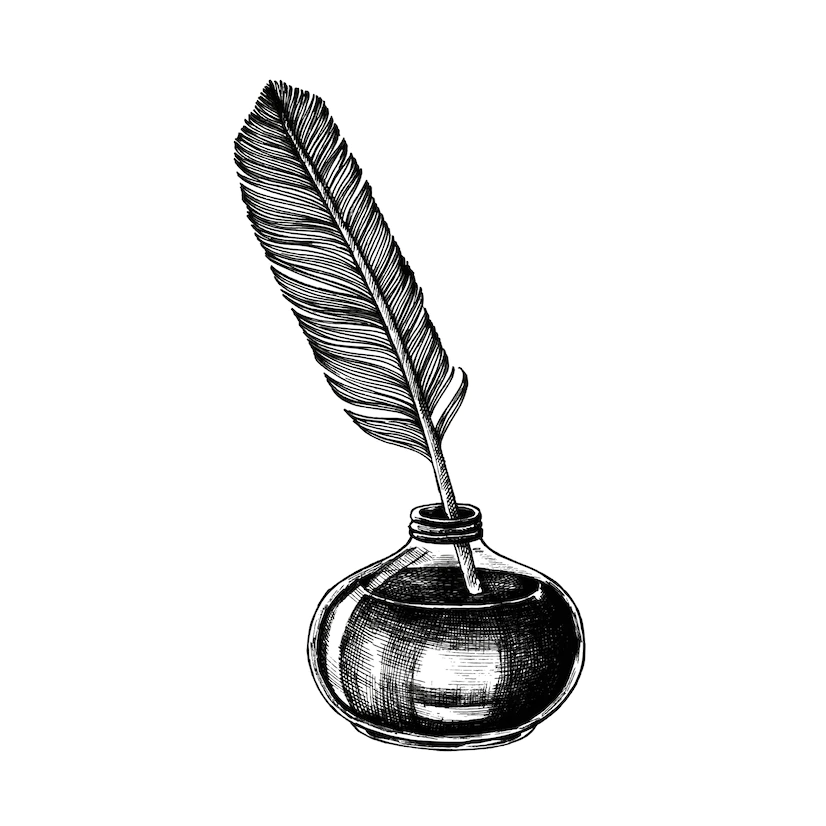
Going all the way back to the quill that used a pot of ink on a writing desk, the quill (feather) was reusable and only used a small amount of ink each stroke, with the liquid ink being close to hand to top up the quill as needed.
If we look at this a case study we can see that there was very little mechanics to the whole process, however there were some big downsides. The main issue was that people easily spilled pots of highly potent ink, which then stained tabletops and clothing. This, coupled with the quill having an open ‘ink reservoir’, meant that it was very easy to make a mess if you didn’t handle the equipment correctly.
If we jump forwards to the fountain pen, the process was very similar for a while and then adapted to include the ability to ‘suck up’ the ink from a bottle into a reservoir using a button, lever or plunger. This process still had similar drawbacks as the original quill, but much better mechanics.
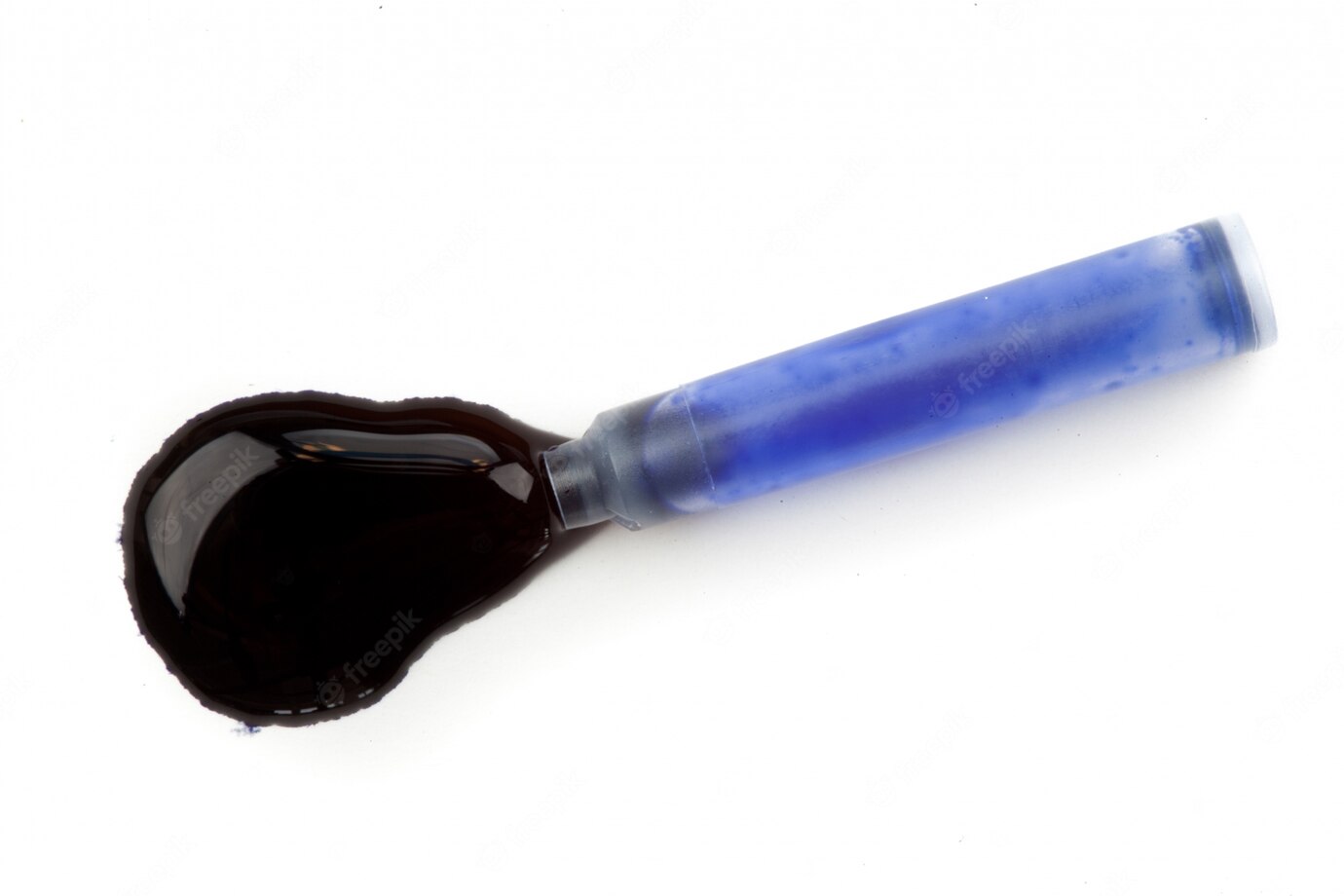
Fast-forward to the 1980s, when manufacturers introduced the disposable ink cartridge. This innovation made the process much easier and cleaner. Instead of simply holding the ink, the pen body now housed a sealed cartridge that contained the liquid and released it only when inserted and activated inside the pen.
Now these were far from perfect, as the amount of ink covered lips in schools across the country proves. A small ball acted as the seal, and a child could easily pop it out if they wanted to. If, and it’s a BIG IF, the children using the cartridges only used them as intended then the cartridge concept would have been far better than it is.
The children using the pens are the weakest link in the design. Schools still use drywipe markers extensively and should play a key role when exploring solutions for refillable options.
Drywipe markers are refillable, we are aware of 3 main methods, these are:
- A liquid inkwell
- A liquid ink cartridge
- A liquid ink syringe
All of these share the same underlying issue. The ability for a child to gain direct access to the liquid ink. However, the method of refilling varies.
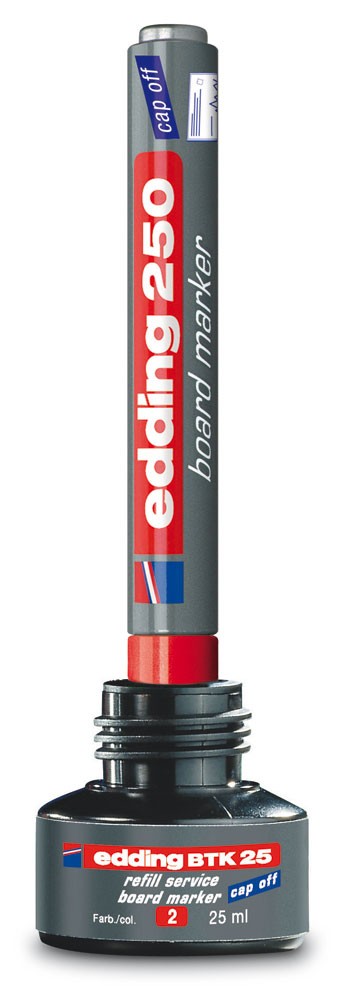
Option 1 – Liquid Inkwell:
This appears to be the most well know solution within office and education, and directly relates back to the early quill days. Essentially, you place a marker nib down into a pot of liquid ink and through capillary action the nib ‘sucks up’ the ink and refills the ink reservoir.
This method has a few challenges. Firstly, you can only refill one pen at a time, and with a refill time starting at 1hour this is the slowest refilling solution. Secondly, it is very easy for a mischievous child to shake the ink out of the pot and cause a lot of staining in the process.
As long as you keep the inkwell away from children and refill one pen at a time, or purchase multiple inkwells, this may be a suitable solution for you.
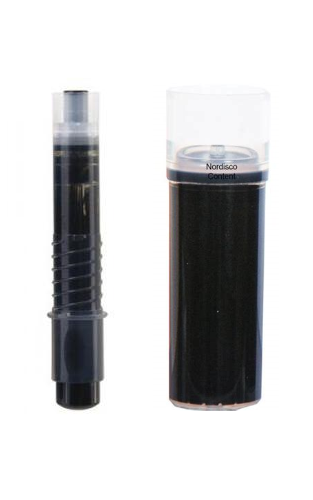
Option 2 – Liquid Ink Cartridge:
It’s easy to see the direct relation to the 1980s ink cartridge and it even has a similar construction. Manufacturers typically seal the liquid ink inside a cartridge, which releases the ink only when inserted into the pen body. Insertion pierces the seal, allowing the ink to flow into a small reservoir that feeds the nib during use.
This method has the same downsides as the original fountain pen ink cartridges as children have very easy access to the ink. But this is the fastest refilling of the 3 options, as it only requires you to replace the ink cartridge to go from 0-100% filled.
If you keep the new cartridges away from children and if your children do not open the pen to access the cartridge, this may be a suitable solution for you.
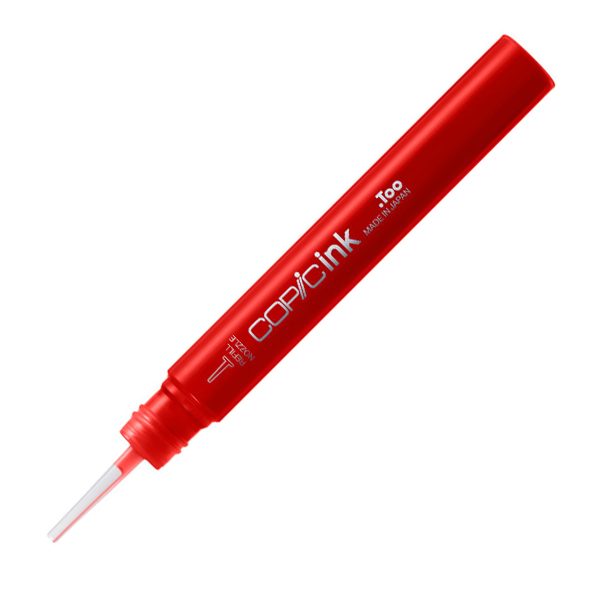
Option 3 – Liquid Ink Syringe:
While most people don’t recognise this option as a popular choice for drywipe markers in schools, it could actually offer the best solution.You take the existing nib out of the marker and then refill the marker reservoir with the specially designed syringe (not the type you get injections with) by dropping the correct amount of liquid ink onto the reservoir fibres. This saturates it with new ink. The nib is then reinserted and ready to be used again within a few seconds.
Like with previous options, the downside is that there is a vessel of liquid ink in a squeeze syringe that is easy to get access to. You only need one child to squeeze the vessel and there will be a lot of mess that is very difficult to clean up, especially on clothing.
If you keep the ink syringe away from children, this may be a solution for you.
Even if you do go down the route of refilling, is there any point?
There are many parts of a drywipe markers that need to be working correctly for refilling to be a good option.
The nib has to be in a good condition so that using the pen again makes sense. Out of a recent batch of markers from our recycling scheme, only 23% would be suitable for refilling. The others either did not have a nib, were flattened, or had turned into a wide bristle brush. Some manufactures do offer replacement nibs alongside inks, so this may not be of concern to you.
The cap needs to be present. Without it, this refilling would only last a few hours, or for a few days with Show-me Drywipe Markers. We have not seen any manufacturers offer replacement caps. Again, this maybe something you consider when looking for refillable options.
The barrel, nib stop and/ or end cap need to be undamaged and sealed. This is because the ink in the reservoir needs to be protected from air. If your marker has a screw connection for these parts, make sure that they tighten up correctly. If any of the barrel parts were originally welded and are no longer so, refilling may be counterproductive.
You’ll be pleased to know that all Show-me Drywipe Markers are refillable. We do not recommend refilling a drywipe marker within schools when the primary user is a child. We believe that the markers need to be as safe and sealed as possible to avoid any ingestion of the liquid ink. But also to protect school uniforms!
Does refilling actually work?
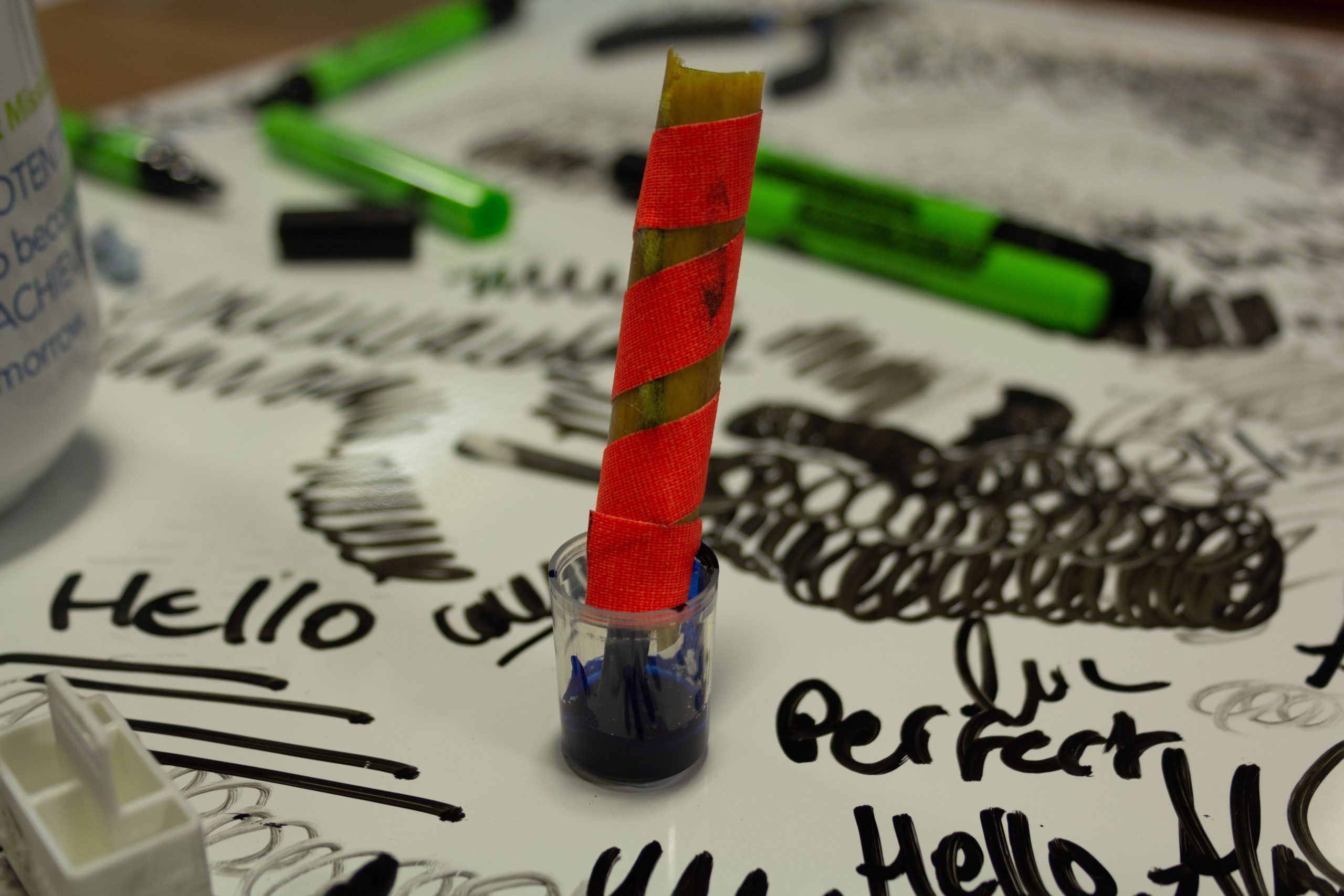
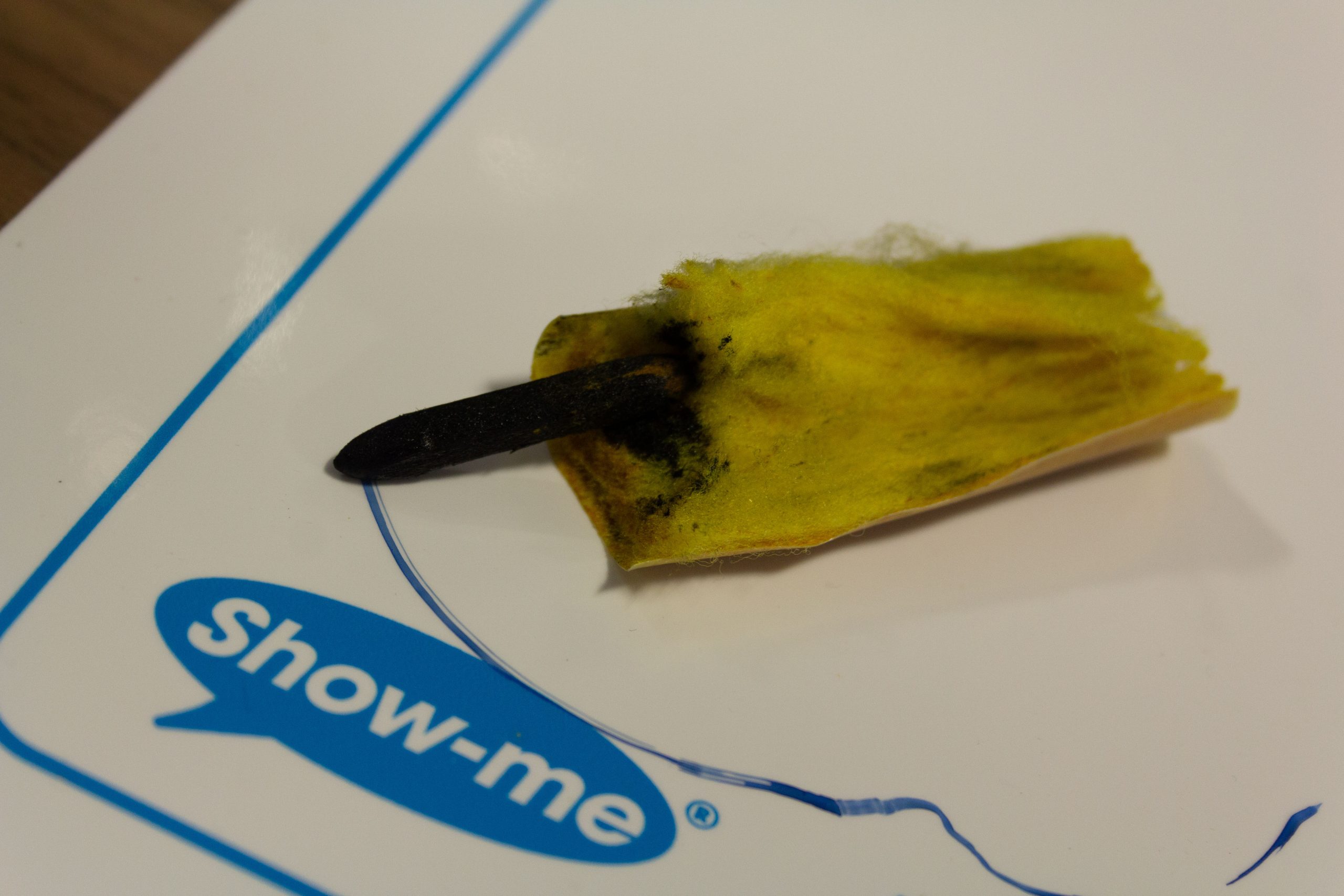
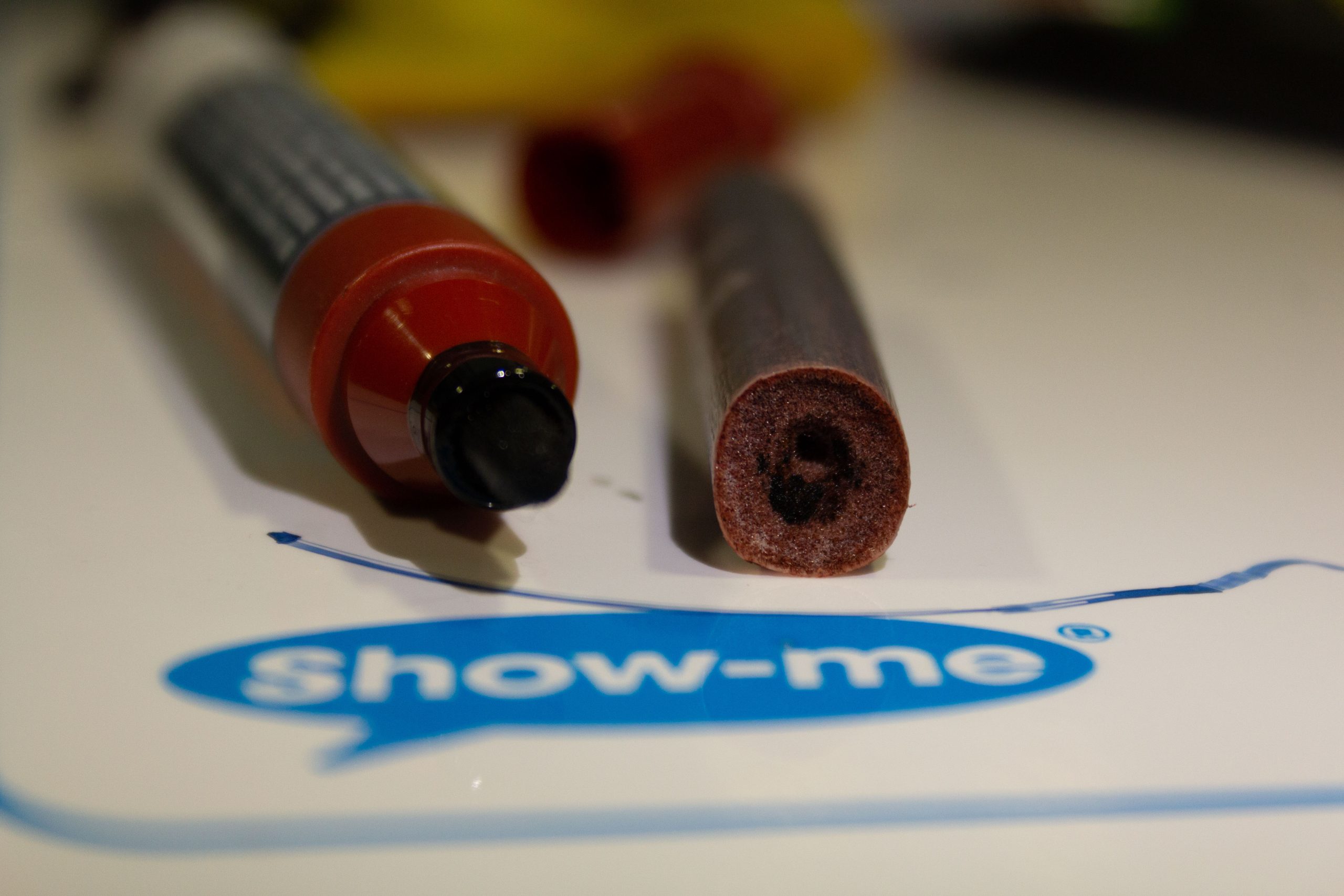
There are some caveats that appear to be missing from the manufacturers’ guidance. As a small test, we left these dried out markers in liquid ink for 1 hour. After their soak, we inspected the amount of ink refilled. We found that, although the nib did get saturated, the reservoir did not.
The original yellow ink marker had run dry after being unused and left uncapped for a week. The brown marker, although never used since purchase, had been stored for months with the cap on—but its end cap was broken.
We suspect that there is a sweet spot for refilling drywipe markers that use capillary action. To guarantee refill, it’s best to start the process as soon as you notice the ink fading. We have a short guide on priming the marker for refilling.
Can all drywipe markers be refilled?
We cannot see any technical reason why the majority of drywipe markers cannot be refilled. If you use an ink from another manufacturer, there may be colour and performance differences. Additionally, it has to be noted that we are not scientists. We cannot verify if mixing inks will cause any undesirable affects. For us we have tested the process and have not seen any adverse affects. At the time of posting, we are only specifying the black ink. However, other colours may be available. Just be sure that all of our drywipe markers are refillable, you just need the right colour ink.
This blog was refreshed on 11/06/2025.